

Our technology

The Helimap System® – Precision LiDAR and photogrammetry from above

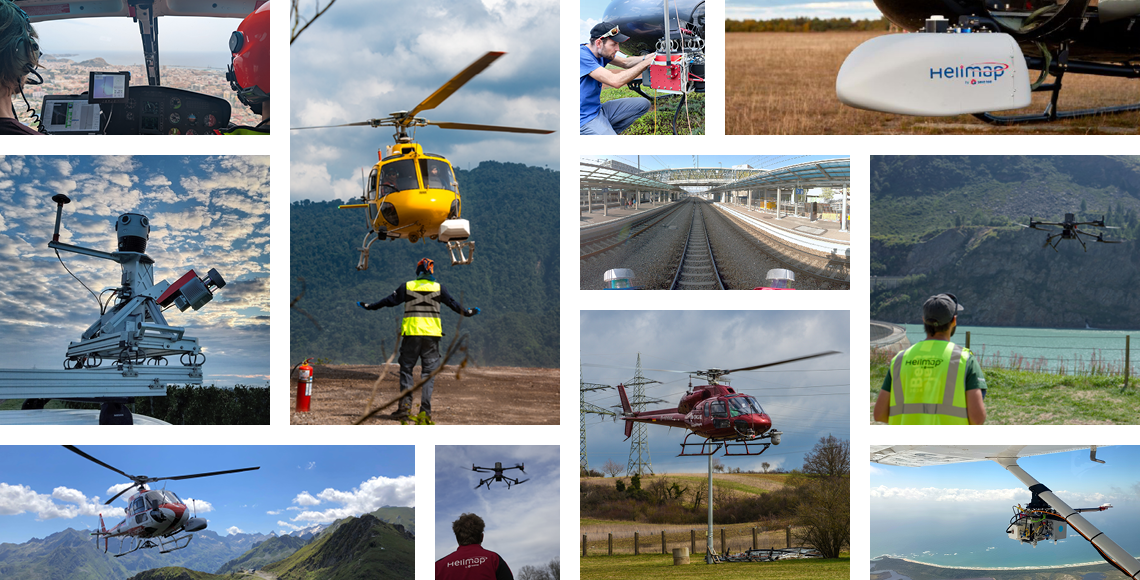
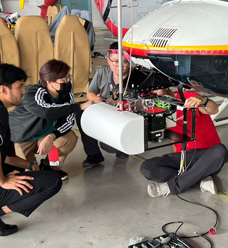
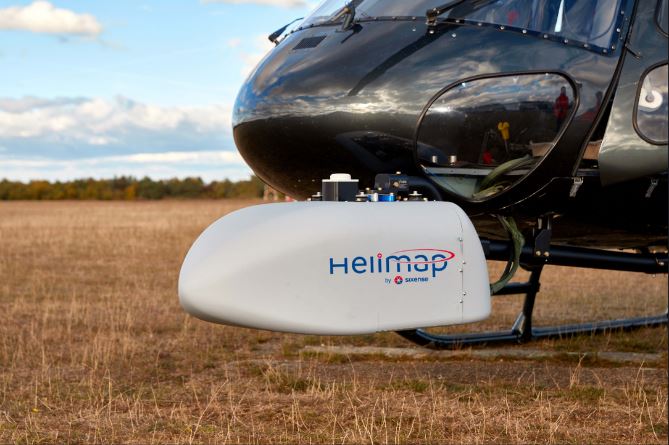
Developed with EPFL’s photogrammetry and topometry labs, our airborne and vehicle-based systems combine LiDAR and digital photogrammetry to deliver accurate, reliable data — even in the most difficult terrains.

We work with the best technology available

... and more

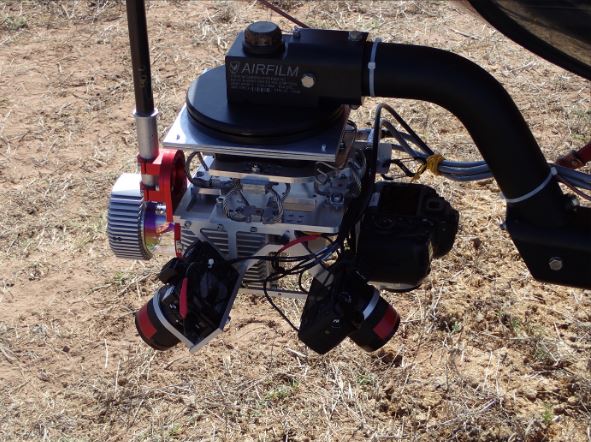
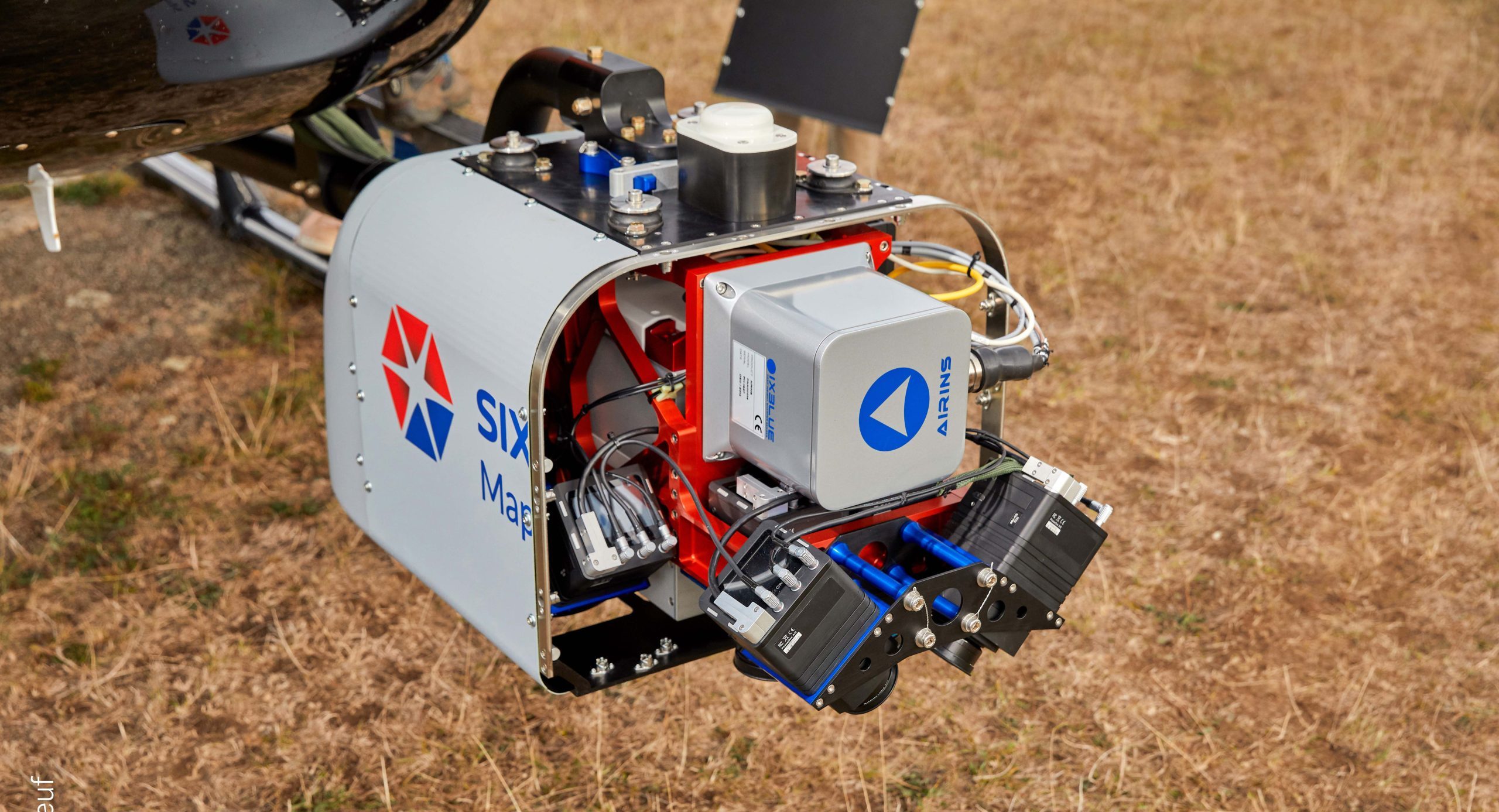
Our sensors are designed for both airborne and mobile mapping, made from the integration of different state-of-the-art & high-tech components:

LiDAR

Riegl laser scanners (up to 2'000'000 pts/s)

RGB

PhaseOne high-resolution digital cameras (50 Mpix to 150 Mpix)

NIR

Near infrared cameras (100 Mpix to 150 Mpix)

Oblique

Multiple oblique cameras (24 Mpix to 100 Mpix)

Thermal

Thermal cameras

360°

360° panoramic cameras

Inspection

Ultra high-res cameras for visual inspection

GNSS-INS

Precise georeferencing with GNSS & inertial measurements

Additional customizable sensors as per project requirements

We work with the best technology available​

Our sensors are designed for both airborne and mobile mapping, made from the integration of different state-of-the-art & high-tech components

  • Riegl laser scanners (up to 2’000’000 points/s)
  • PhaseOne high-resolution digital cameras (50 Mpix to 150 Mpix)
  • NIR (near infrared) cameras (100 Mpix to 150 Mpix)
  • Multiple oblique cameras (24 Mpix to 100 Mpix)
  • Thermal cameras
  • 360° panoramic cameras
  • Ultra high-res cameras for visual inspection
  • Precise georeferencing with multi-constellation & multi-frequency GNSS and navigation grade inertial measurement units

Additional customizable sensors as per project requirements

Continuously at the forefront of technological development

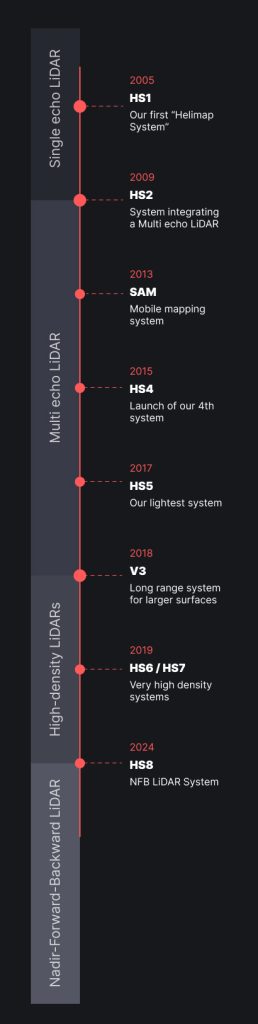
HS1 marked our first complete airborne LiDAR system. It introduced a lightweight platform for capturing topographic data with single-echo technology, opening the way for faster and more accurate mapping workflows.
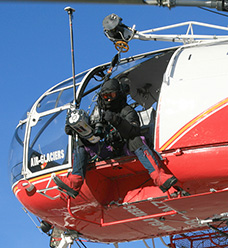
HS2 introduced multi-echo LiDAR integration, enabling the detection of multiple returns per pulse. This upgrade improved ground penetration in forested areas and generated richer datasets for terrain modeling.
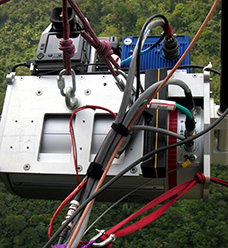
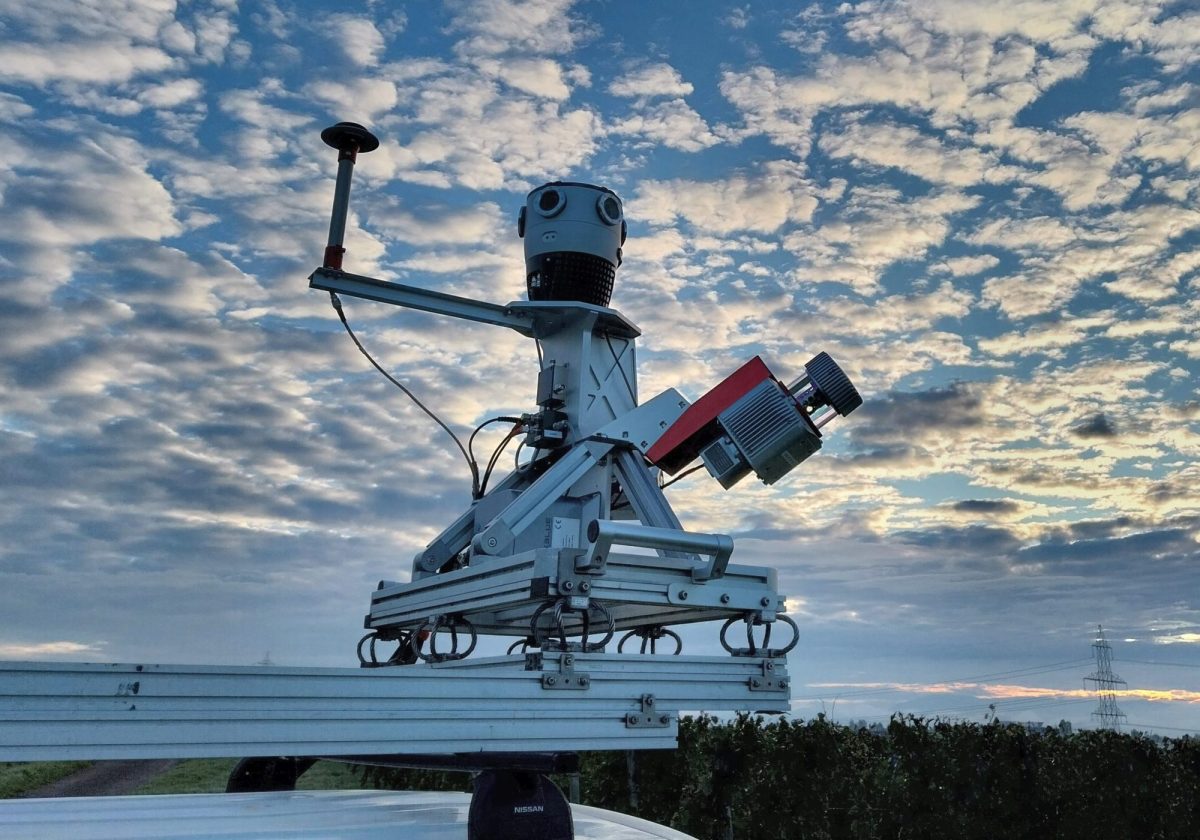
The SAM mobile mapping system expanded Helimap's equipment fleet with a solution that enabled the acquisition of high-precision kinematic LiDAR data from ground vehicles. It has been providing efficient corridor mapping for roads, railways, and urban environments.
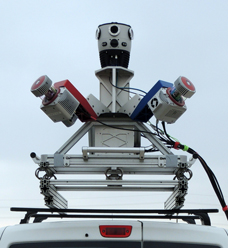
HS4 represented a major system refinement, offering improved stability, enhanced scanning performance, and an optimized workflow for airborne survey missions. It became a reliable platform for medium-scale mapping projects.

HS5 was engineered to be our lightest airborne LiDAR system to date. Its compact design made it ideal for UAV-based operations while preserving precision and high-density point capture.
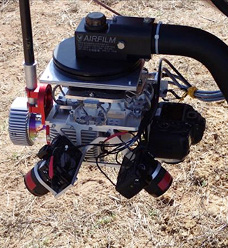
V3 was developed for long-range LiDAR applications, allowing the efficient mapping of large surfaces and complex terrains. Its extended range makes it suitable for wide-area topographic and environmental monitoring.
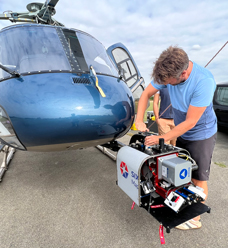
HS6 and HS7 introduced very high-density LiDAR acquisition, offering unprecedented point cloud resolution. These systems improved detail extraction for engineering, infrastructure inspection, and urban 3D modeling.
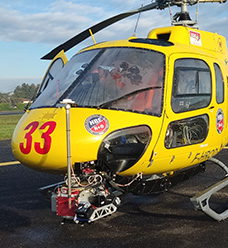
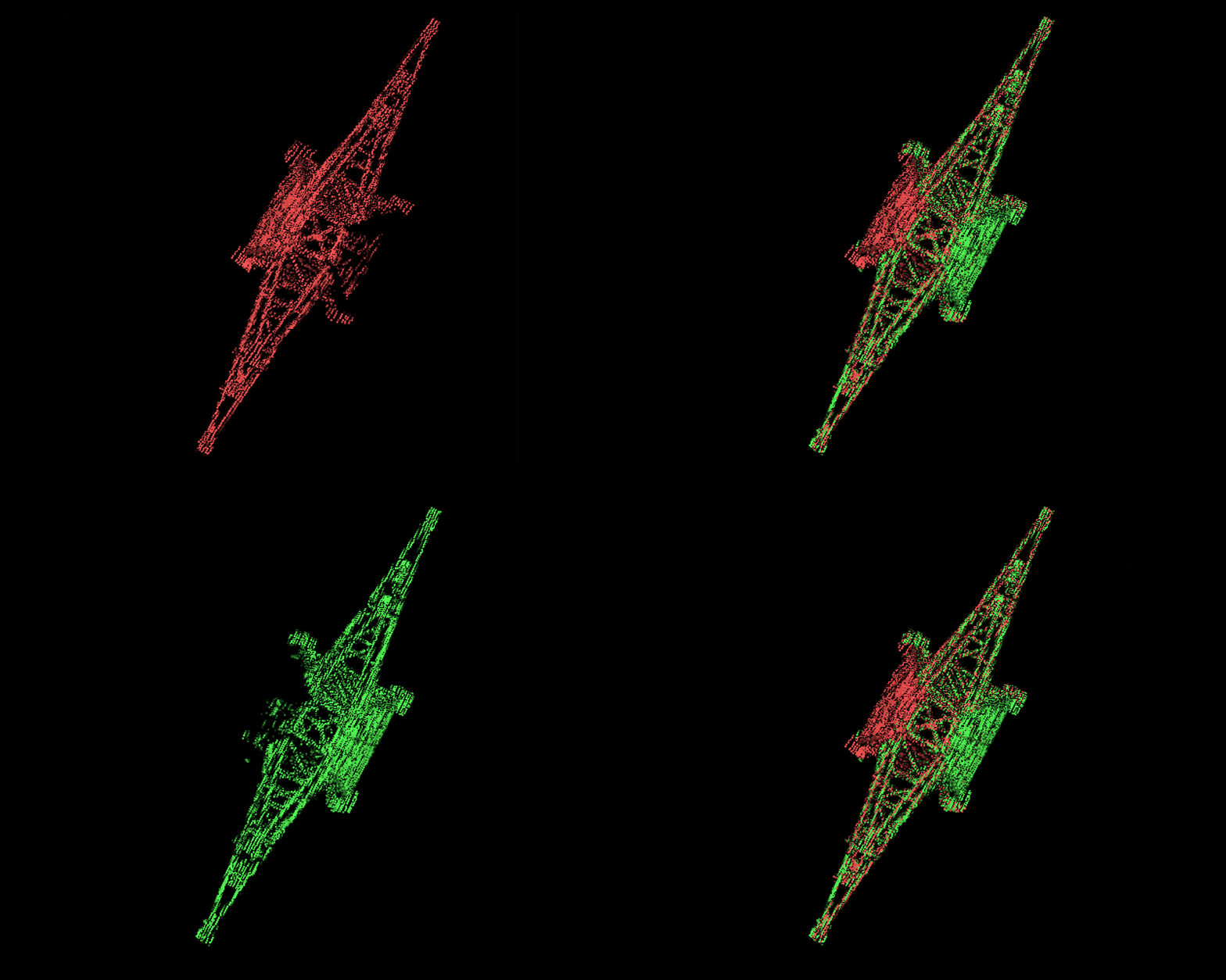
HS8 introduced the Nadir/Forward/Backward configuration, achieving complete scene coverage with minimal occlusion. Its multi-directional scanning architecture delivers superior definition & completeness for advanced mapping missions.
2005

HS1

Our first “Helimap System”

2009

HS2

System integrating a multi-echo LiDAR

2013

SAM

Mobile mapping system

2015

HS4

Launch of our 4th system

2017

HS5

Our lightest system

2018

V3

Long range system for larger surfaces

2019

HS6 / HS7

Very high-density systems

2024

HS8

NFB LiDAR System

9 systems and 20+ years of experience to face every challenge

long range sensors

Ideal for long range scanning and large surfaces

  • 1’000 m wide scan and image coverage in a single pass
  • Multi-cam survey for city models and photorealistic rendering
  • Excellent for mountains and snowy areas

sensors for corridor mapping

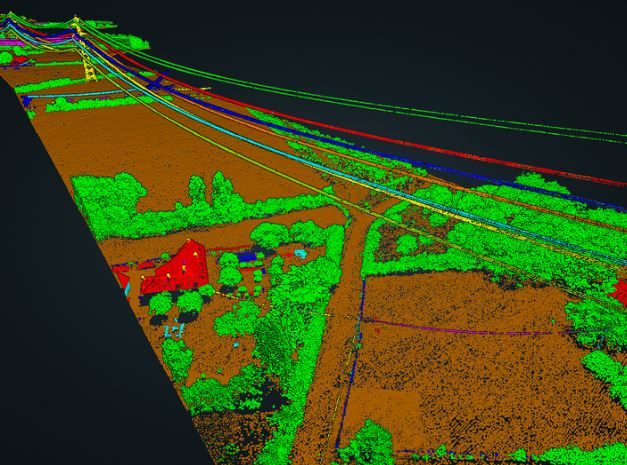
4 state-of-the-art LiDAR and photo sensor systems specifically developped for corridor and infrastructure surveys

Nadir/Forward/Backward Scanning LiDAR sensors

Multi-directional scan ideal for very-high definition corridor mapping

  • 3 directions (nadir, forward, backward) for a complete representation of vertical structures (minimization of shadows)

Lightweight sensors and drones

Lightweight sensors for all types of applications

  • 360° scan
  • Ultra fast international deployment
  • UAV mapping

resilient sensors

Our “classics” adapted to every kind of environment from tropical forests to snowy mountains

  • Resistant to tropical climates
  • Can operate on snowy surfaces
  • Can be assigned abroad for long
    international missions

MultiCam Mapper

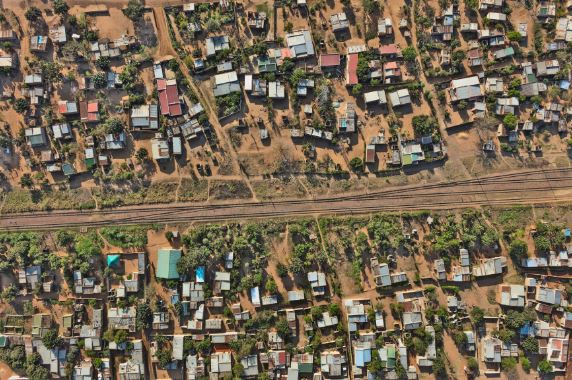
Image capture in all directions with up to 6 cameras (nadir RGB+IR and oblique front/back/left/right) combined with LiDAR for comprehensive photo meshs, city models & true orthophotos

  • Photorealistic representation of the reality
  • Integration and visualization of construction/urban development projects
  • Video animations, VR and AR for immersive experience

Mobile Mapping Sensors

Our equipment made for very high-definition ground-based surveys

  • 360° laser scanning and image-based street view capture
  • Especially suitable for roads and railways
  • Operation in GNSS-denied areas like tunnels and underpasses

capteurs

+200km par jour

Jusqu’à 800 pts/m2

Jusqu’à 5cm de precision

Resistants à tous les climats

Technologie Helimap System

Need help with your project?

Contact us to know where and when we can help you

Need help with your project?

Contact us to know where and when we can help you